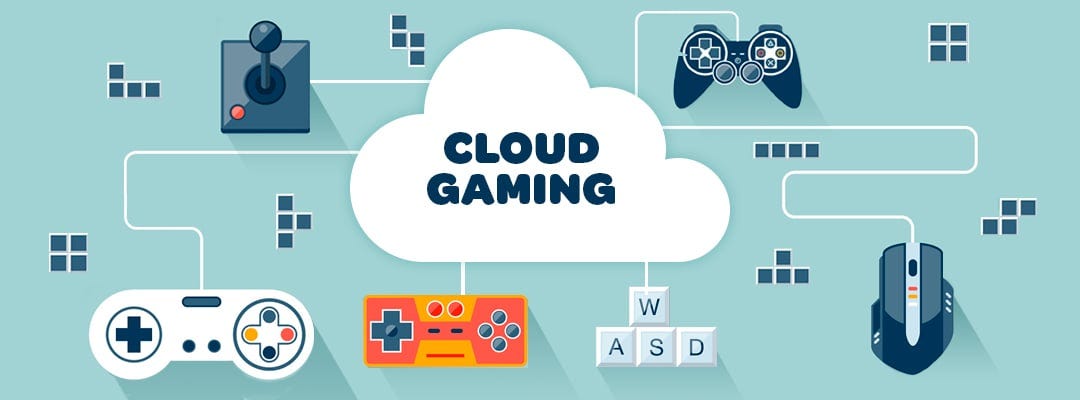
Cloud gaming has rapidly transitioned from an experimental concept to a viable part of the gaming industry, raising a compelling question: is it the future of gaming? With companies like NVIDIA, Microsoft, Sony, and even Amazon investing heavily in streaming platforms, it’s clear that the industry sees serious potential. But as with any emerging technology, the path forward is filled with both promise and pitfalls. To understand where cloud gaming might be heading, it’s important to weigh the advantages, the limitations, and the broader trends shaping its trajectory.
The core idea of cloud gaming is simple: instead of relying on expensive hardware like gaming PCs or consoles, the game runs on a remote server, and you stream the visuals over the internet to your device — be it a laptop, tablet, smartphone, or smart TV. This instantly lowers the barrier to entry for many players. You don’t need a $2,000 rig to play the latest AAA titles at high settings; all you need is a decent internet connection and a subscription. This democratization of access is one of cloud gaming’s most appealing aspects, particularly for casual gamers or those in regions where gaming hardware is prohibitively expensive.
Another major benefit is convenience. No downloads, no patches, no installations. Games launch instantly, and your progress is saved in the cloud. Updates are handled on the server side, meaning less hassle for the user. It also enables true platform agnosticism — you can start a game on your phone during a commute and continue it later on your TV or laptop with minimal interruption.
However, despite the innovation, cloud gaming isn’t without its downsides. The most obvious and significant challenge is latency. Even with a strong internet connection, input lag can make fast-paced games — especially competitive shooters or fighting games — feel sluggish or unresponsive. While tech has improved, even small delays can be noticeable in high-stakes gameplay. Consistency is another issue; performance can vary drastically depending on network congestion, server load, or local infrastructure.
Bandwidth requirements are also steep. Streaming games in 1080p or 4K consumes large amounts of data, which can be a problem for users with data caps or unstable connections. In many parts of the world, reliable broadband isn’t yet a reality, limiting cloud gaming’s reach despite its promise. There’s also a lack of true ownership — with cloud gaming, you’re renting access, not buying a product. If a game is pulled from the service or your subscription lapses, you lose access entirely.
Looking ahead, cloud gaming’s future likely won’t mean the death of traditional gaming hardware, but rather coexistence and integration. Much like streaming didn’t kill cinema or physical media outright, cloud gaming is poised to become a complementary option — one that grows as internet infrastructure improves. We can expect hybrid models to become more common, where local and cloud-based resources work together, improving performance and flexibility.
Predictions for the next five to ten years point to increasing adoption, especially among mobile users and in emerging markets. As 5G networks expand and server technology becomes more efficient, the latency and bandwidth challenges will slowly diminish. Subscription-based ecosystems may also become the norm, with services bundling game access, cross-platform play, and streaming capabilities into a single, seamless experience — similar to what Xbox Game Pass and GeForce NOW are already pioneering.
Ultimately, cloud gaming is less about replacing traditional systems and more about expanding what gaming can be — easier to access, less dependent on hardware, and more connected than ever. The future may not be fully in the cloud, but it’s undoubtedly shaped by it.