
ChatGPT сказал:
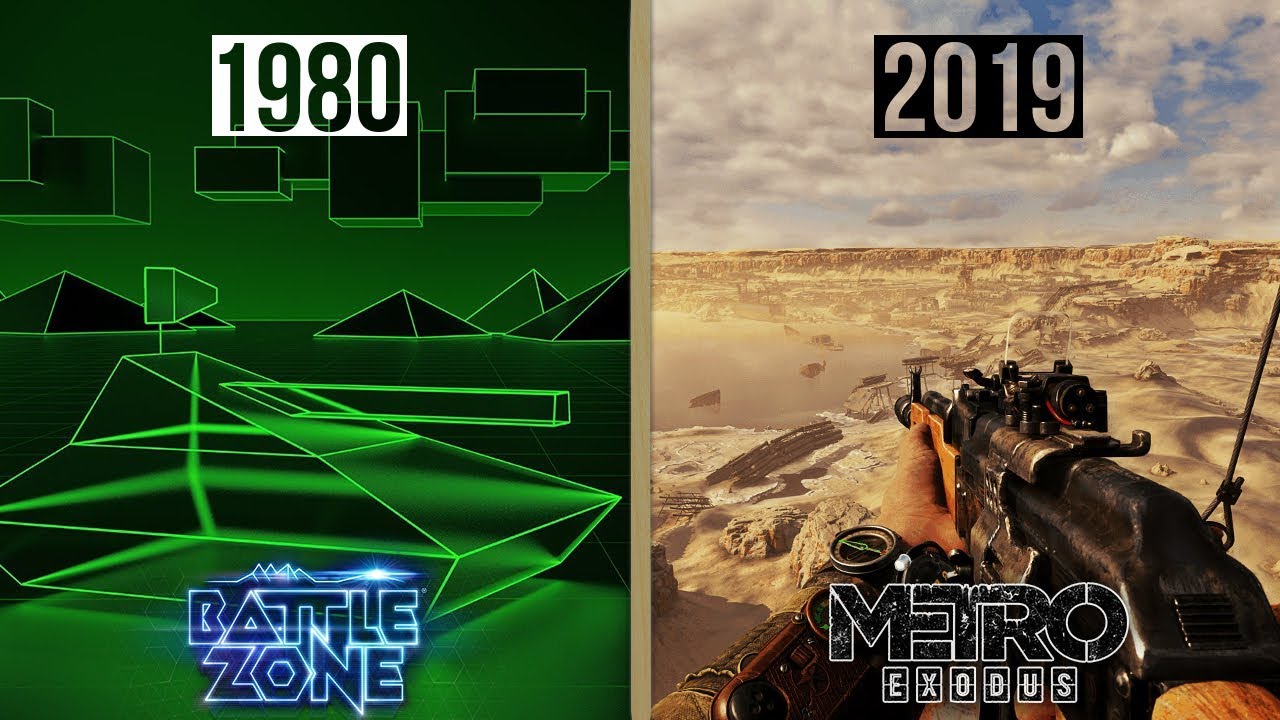
The evolution of first-person shooters (FPS) is a fascinating journey that mirrors the broader growth of the gaming industry itself. What began as simple, pixelated experiments in the early ’90s has transformed into a genre defined by cinematic visuals, complex narratives, competitive esports scenes, and incredibly realistic mechanics. From the humble beginnings of Wolfenstein 3D and DOOM to the immersive worlds of Call of Duty: Modern Warfare and Escape from Tarkov, FPS games have undergone a dramatic transformation in nearly every aspect.
In the early days, first-person shooters were primarily about speed, reflexes, and high scores. Graphics were crude, environments were maze-like, and stories—if they existed at all—were often nothing more than a few lines of text. Games like DOOM and Quake focused on fast-paced action, where players moved at breakneck speeds through tight corridors, gunning down hordes of enemies with an ever-expanding arsenal. Multiplayer was limited to LAN parties, and online play was a luxury few could access easily.
As technology advanced, so did the expectations of players. The late ’90s and early 2000s saw a shift toward more tactical, narrative-driven experiences. Games like Half-Life revolutionized the genre by integrating storytelling directly into the gameplay, using scripted sequences and environmental storytelling instead of cutscenes. Counter-Strike, born as a mod, introduced a competitive team-based dynamic that emphasized strategy, communication, and precision. It wasn’t just about shooting anymore — it was about thinking, planning, and working as a unit.
By the mid-2000s, cinematic presentation became a defining feature. Titles like Call of Duty 4: Modern Warfare brought blockbuster-style storytelling to the forefront, complete with dramatic set-pieces, moral ambiguity, and realistic depictions of modern combat. The FPS genre began to blend seamlessly with action and adventure, often blurring the lines between linear storytelling and interactive gameplay. Online multiplayer also exploded, thanks in part to broadband internet and the rise of platforms like Xbox Live and Steam, transforming FPS games into global communities.
In recent years, FPS games have leaned heavily into realism and immersion. With the power of modern hardware, developers now deliver photorealistic graphics, 3D spatial audio, and highly detailed weapon mechanics. Games like Battlefield and Escape from Tarkov simulate real-world ballistics, recoil, and damage systems, appealing to a hardcore audience. At the same time, titles like Overwatch and Apex Legends have introduced hero-based gameplay, combining fast action with class-based roles and vibrant visual styles, broadening the genre’s appeal to more casual and competitive audiences alike.
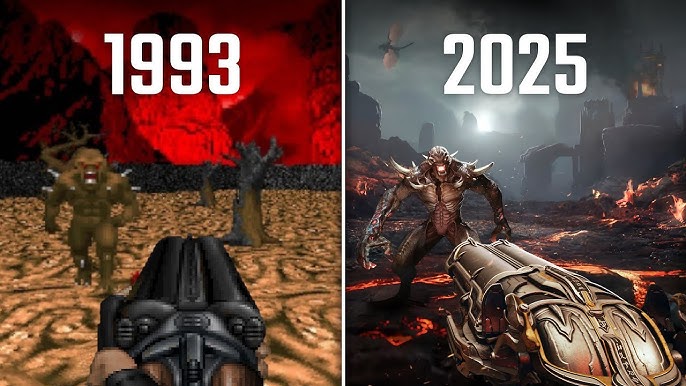
One of the most significant changes is how players engage with FPS games today. Streaming, modding, esports, and community events have become integral parts of the experience. Games are no longer static releases — they evolve through regular updates, seasonal content, and player feedback. The FPS genre is now a live, constantly changing ecosystem, where the line between developer and player is more interactive than ever before.
Moreover, the narrative ambition of modern FPS titles has reached new heights. Today’s games often tackle complex themes such as war ethics, surveillance, identity, and mental health. Storytelling is no longer an afterthought — it’s central to the experience, with richly written characters, moral choices, and multiple endings shaped by the player’s actions.
The core appeal of FPS games — the immersive first-person perspective and the thrill of shooting mechanics — remains unchanged. But everything around it has grown, matured, and diversified. What was once a niche built on raw adrenaline and pixelated monsters has become one of the most expansive, influential genres in gaming, offering experiences that range from hyper-realistic military simulations to stylized, narrative-rich adventures. The FPS genre continues to evolve, and if history is any guide, its next chapter will be just as groundbreaking as the last.